
Healthcare Emergency Management

MissionCIT provides crucial support for hospital emergency operations planning, beginning with a thorough hazard identification and risk assessment. This involves pinpointing potential vulnerabilities, such as natural disasters and human-made threats, and evaluating the likelihood and impact of each specific hazard to develop a tailored Hazard Vulnerability Analysis (HVA).

Furthermore, MissionCIT assists in developing or updating an emergency operations plan for hospitals, including crucial components like evacuation plans, a clear hospital incident command structure, robust communication protocols, and effective resource allocation strategies to ensure readiness for a wide range of emergency situations.
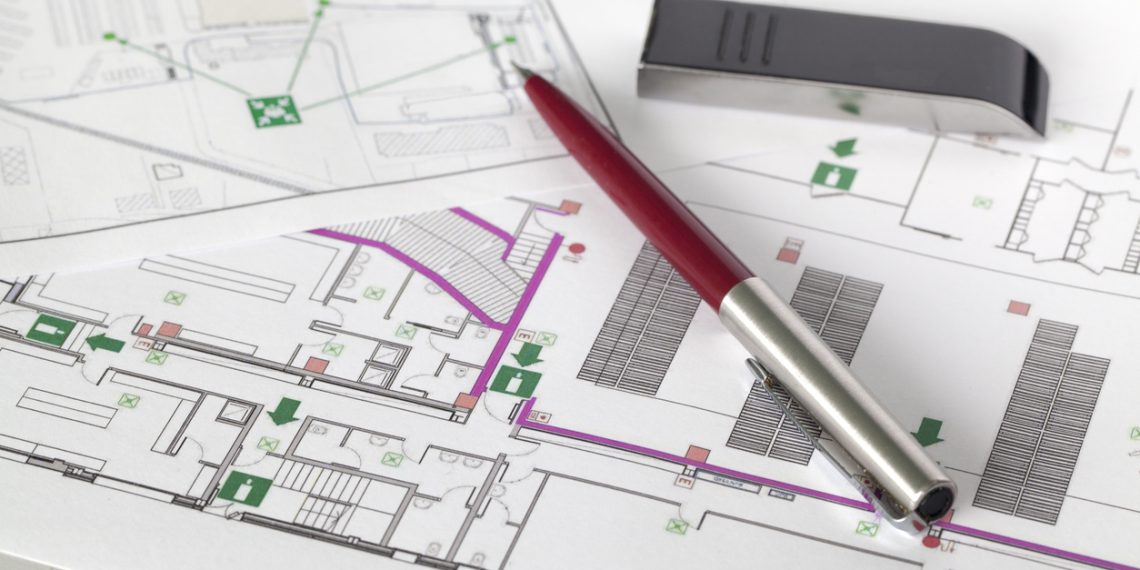

Hospital Emergency Operations Planning | Emergency Plan for Hospital
Hospital Emergency Operations Planning | Emergency Hospital Plan

Robb Hoffower, EMT-P: Director of Hospital Emergency Planning

With over twenty years of experience in emergency response and hospital emergency management, Robb Hoffower’s work with MissionCIT Hospital Emergency Planning provides a powerful asset for hospitals nationwide. His deep understanding of Hospital Incident Command System (HICS), cultivated since 2008, is central to his ability to develop and implement effective emergency operations plans and realistic training exercises.

This extensive experience allows Robb to prepare healthcare facilities for diverse disasters and crises, enhancing hospital readiness and improving coordination between healthcare professionals and emergency responders, ultimately strengthening the resilience of the healthcare system.
What are the National Hospital Emergency Planning Standards?

The Joint Commission™ outlines important emergency planning standards for hospitals. 

Emergency management standards are designed to equip organizations to handle any emergency situation. Central to this is the concept of preparedness, viewed as an ongoing and iterative process encompassing planning, organizing, training, equipping, exercising, evaluating, and corrective action. This ensures effective coordination during an incident response, aligning with the National Incident Management System’s principles. These standards are structured around the four fundamental phases of emergency management:

  • Preparedness

  • Response

  • Recovery

  • Mitigation

The Centers for Medicare & Medicaid Services (CMS) require hospitals to have an Emergency Preparedness Program, consisting of Risk Assessment Planning, Policies and Procedures, Communication Plans, and Training & Testing. 

Hospital Emergency Operations Planning | Emergency Hospital Plan

Robb Hoffower, EMT-P: Director of Hospital Emergency Planning

With over twenty years of experience in emergency response and hospital emergency management, Robb Hoffower’s work with MissionCIT Hospital Emergency Planning provides a powerful asset for hospitals nationwide. His deep understanding of Hospital Incident Command System (HICS), cultivated since 2008, is central to his ability to develop and implement effective emergency operations plans and realistic training exercises.

This extensive experience allows Robb to prepare healthcare facilities for diverse disasters and crises, enhancing hospital readiness and improving coordination between healthcare professionals and emergency responders, ultimately strengthening the resilience of the healthcare system.

What Can MissionCIT Do For You?

Hospital Incident Command System

Support for hospitals in establishing HICS
  • Comprehensive HICS Support: Offers complete assistance in establishing and maintaining HICS.
  • Tailored Training Programs: Provides training for all staff levels, from basic to advanced.
  • Clear Roles & Responsibilities: Emphasizes defined roles for coordinated response.
  • All-Hazards Implementation: Guides practical HICS structure implementation.

Decontamination & HAZMAT Response

Specialized Decontamination Training for Hospital Staff
  • Specialized HazMat Training: Equips staff to respond to HazMat incidents.
  • Comprehensive Programs: Covers response protocols and decontamination.
  • Hands-On Instruction: Provides practical training for effective skills.
  • PPE Proficiency: Focuses on proper use of PAPRs and other personal protective equipment.

Communication and Coordination

Robust Strategies for Emergency Response
  • Reliable Communication Systems: Implements systems like radios and phone trees.
  • Community Partnerships: Fosters strong relationships with local agencies.
  • Interagency Interoperability: Encourages joint exercises and planning.
  • Comprehensive Public Information: Develops plans for clear communication with the public.
  • Seamless Information Flow: Ensures quick and efficient communication during emergencies.

Exercise & Training Program

Enhance Preparedness and Response Strategies
  • Integrated Preparedness Planning: Facilitates workshops for collaborative plan development.
  • Varied Exercise Development: Creates tailored exercises from tabletop to full-scale.
  • Comprehensive Exercise Support: Manages all aspects, from planning to evaluation.
  • Continuous Improvement: After-action reviews and reports drive ongoing improvements.
  • Evaluation & Improvement: Continuous Improvement with KPIs
  • Active Assailant Training: Equip staff with tools & knowledge for critical incidents.

Hazard Vulnerability Analysis

Continuous Improvement with KPIs
  • Key Performance Indicators: Develops metrics to objectively measure program effectiveness.
  • Regular Analysis Review: Guides updates based on feedback and lessons learned.
  • Risk Prioritization: Analyze posible risks based on location & other factors.
  • Data-Driven Enhancement: Enables consistent improvement of preparedness capabilities.

Director Robb Hoffower's "Unparalleled Expertise and Dedication"

"I have had the privilege of working with Robb Hoffower for the last 17 years, and I can confidently say that his expertise and dedication in the field of hospital emergency management are unparalleled. Robb has been instrumental in developing comprehensive emergency management plans that enhance hospital preparedness and response capabilities.

His deep understanding of emergency operations planning, coupled with his ability to create practical, effective strategies, has greatly enhanced the readiness of healthcare facilities.

Robb’s commitment to excellence and his ability to bring together stakeholders to enhance emergency preparedness have made a lasting impact on the healthcare community. His leadership and knowledge continue to strengthen hospital resilience and readiness, ultimately improving patient care and safety in times of crisis."
Chino Valley Medical Center
Connie Rangel
Regional Emergency Preparedness Manager

Interested in Hospital Emergency Planning? Read about the requirements, and what MissionCIT can do for you!

download white paper

Contact MissionCIT

Email us at [email protected]

Or call us at +1 203-649-5090

Fill out the form below, and we will send you an email with the whitepaper.
Please select a valid form