
Emergency Management

Emergencies and disasters can happen with little or no warning. Responding quickly and correctly, often before first responders arrive, is crucial. Proactive planning isn’t just recommended, it’s the optimum way to ensure your response is appropriate and effective, mitigating risks and protecting what matters most. 

It is an important tool for ensuring that everyone knows what to do in the event of a disaster, and that resources are used effectively.  MissionCIT prepares Emergency Operations Plans (EOPs) for public sector agencies and large industrial organizations including Oil & Gas, complex manufacturing and process industries, as well as businesses, schools/universities, healthcare facilities, and communities. 

What can MissionCIT do for you? 

  • EOP Updates
  • EOC Guides & Consulting
  • Active Assailant Training
  • Tabletop Exercise Programs
  • Other customized programs

Emergency Operations Plans & Emergency Management

Emergency Operations Plan | Emergency Management

Looking for Healthcare Emergency Management? Click here to learn more about how you can prepare your hospital in the event of a disaster or emergency incident.
Connect with an emergency management consultant today! Keep scrolling for more information.

What does Missioncit offer?

If you are a public sector agency, large industrial organization, school/university, business, healthcare facility, or community looking for help developing an Emergency Operations Plan, we offer unique capabilities. We have a team of highly experienced staff with Fire, EMS, Public Safety, and Emergency Operations training and advanced certifications. We take a comprehensive and systematic approach to identify potential risks, develop response strategies, and ensure the safety of employees, facilities, and the surrounding community.  An important feature of emergency operation plans is that they  must fit your organization’s mission and objectives.  Check out our suite of capabilities below.

What are some of the EOP services available?

Our mission is to provide your organization with the tools and support to develop a comprehensive “all hazards” emergency plan and actionable training. 

  • Risk Assessment
  • Emergency Response Planning
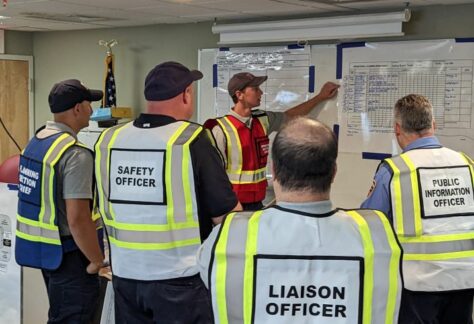
  • Incident Command System (ICS) Training
  • Staff Training and Drills
  • Resource and Asset Management
  • Table Top Exercises
  • Medical Response and First Aid
  • Hazardous Materials Management
  • Crisis Communication
  • After-Action Review and Improvement
  • Plan Testing and Updates

who does MissionCIT serve?

  • Schools, colleges, universities, and businesses
  • Healthcare facilities, including Hospitals and Extended Care Facilities
  • County, Regional, and State Emergency Operations agencies
  • Large Industrial Organizations with Environmental, Fire, and Medical risks from HazMat and industrial toxins requiring local coordination with Fire, EMS, and Public Safety
  • Larger Towns & Fire Departments
what is an emergency operations plan | who has overall responsibility for managing the on scene incident

Some of Emergency Operations Capabilities:

Industrial EOPs

A comprehensive and systematic approach to identify potential risks, develop response strategies, and ensure the safety of employees, facilities, and the surrounding community.

Public Agency & FD EOPs

A thorough methodology to prepare for, respond to and recover from emergencies and disasters. The specific services required can vary based on the school/business/facility/department’s size, jurisdiction, and resources.

School, Business, Healthcare Facility, Community EOPs

A comprehensive system that brings together first responder, emergency management, and business planning. 

Risk Assessment

Identifying and evaluating potential hazards and risks associated with the industrial processes, materials, and activities. This assessment helps in understanding the specific challenges the organization might face during emergencies, such as chemical spills, fires, explosions, or other industrial accidents.

Emergency Response Planning

Developing detailed plans and procedures for various types of emergencies, including procedures for evacuations, shelter-in-place, medical emergencies, fire incidents, hazardous materials incidents, and natural disasters.

Incident Command System (ICS) Training

Implementing the Incident Command System (ICS) and providing training to personnel to ensure a structured and coordinated response during emergencies.

Communication and Notification Systems

Establishing reliable communication systems to disseminate emergency information to employees, stakeholders, and relevant authorities, ensuring quick and effective communication during crisis situations.

Employee Training and Drills

Conduct regular training sessions and emergency drills to ensure that employees are familiar with emergency procedures and can respond appropriately during critical situations.

Resource and Asset Management

Ensuring that the organization has the necessary equipment, resources, and materials readily available to respond effectively to emergencies.

Medical Response and First Aid

Establishing medical response protocols and providing training to designated personnel in first aid and emergency medical care.

Community Coordination

Collaborating with local emergency response agencies, such as fire departments, police, and medical services, to create a unified response plan that considers the organization's potential impact on the surrounding community.

Business Continuity Planning

Developing strategies to ensure essential business functions can continue during and after an emergency, minimizing disruptions and facilitating a smooth recovery process.

Hazardous Materials Management

Implementing proper storage, handling, and disposal procedures for hazardous materials to minimize the risk of incidents and accidents.

Crisis Communication

Developing a crisis communication plan to manage public relations and media interactions during emergencies, ensuring accurate and timely information reaches the public.

Regulatory Compliance

Ensuring that the organization complies with all relevant safety, environmental, and industrial regulations, and integrating these requirements into the Emergency Operations Plan.

After-Action Review and Improvement

Analyzing the response to real incidents and using that feedback to improve the Emergency Operations Plan continuously. An important feature of emergency operation plans is that they incorporate a well-defined feedback loop for continuous improvement.

Security Measures

Implementing security measures to prevent intentional acts of harm, such as sabotage, terrorism, or cyber-attacks.

Regular Plan Testing and Updates

Conducting regular exercises and simulations to test the effectiveness of the plan and updating it based on lessons learned and changes in the organization's operations or external environment.

Risk Assessment

Identifying and evaluating potential hazards and risks within the jurisdiction, such as wildfire-prone areas, hazardous materials storage, high-rise buildings, etc. This assessment helps in understanding the specific challenges the department might face.

Incident Command System (ICS) Training

Implementing ICS and ensuring that personnel are trained to use this standardized management system during emergencies. ICS ensures clear roles, responsibilities, and effective communication during incident response.

Emergency Response Planning

Developing detailed plans for various types of emergencies the department may encounter, such as structure fires, wildland fires, hazardous materials incidents, technical rescues, and mass-casualty incidents.

Mutual Aid Agreements

Establishing mutual aid agreements with neighboring fire departments and emergency service organizations to ensure support during large-scale incidents that may overwhelm local resources.

Community Outreach and Education

Engaging with the community to raise awareness about fire safety, evacuation plans, and emergency preparedness, fostering a culture of prevention.

Training and Drills

Conducting regular training sessions and simulated drills to ensure that personnel are proficient in their roles and familiar with the Emergency Operations Plan. An important feature of emergency operation plans is that they foster timely response with knowledgeable well-trained staff.

Resource Management

Identifying and maintaining the necessary equipment, supplies, and resources required for emergency response and recovery operations.

Communications and Information Systems

Establishing robust communication systems that allow seamless communication between personnel, other agencies, and the public during emergencies.

Continuity of Operations Planning

Developing strategies to ensure essential functions and services can continue during and after an emergency, minimizing disruptions.

Specialized Teams

Establishing specialized teams like hazmat response teams, technical rescue teams, and urban search and rescue teams, depending on the specific risks faced by the agency's jurisdiction.

Emergency Medical Services (EMS) Coordination

Collaborating with EMS agencies to integrate medical response seamlessly with firefighting.

Incident Information and Intelligence

Establishing systems to collect, analyze, and disseminate critical information during incidents to make informed decisions.

After-Action Review and Improvement

Analyzing the response to real incidents and using that feedback to improve the Emergency Operations Plan continuously.

Table Top Exercises

Developing exercises and simulations to evaluate and improve emergency operations planning by testing the participants' decision-making, coordination, and communication skills without actually executing real-life actions.

Threat Assessment

Identifying and evaluating potential hazards and risks, including bomb threats and suspicious packages or letters. This assessment helps in understanding specific challenges that your school, business, facility, or community might face.

Suspicious Person/Intruders

Identify suspicious activity and implement plans of action.

Hospital Incident Command (HICS) Training

Develop a HICS protocol for healthcare facilities, including training programs, outlines of roles & responsibilities, and all-hazards implementation.

Fire Safety and Response

Develop detailed plans for fire safety and response in a non-industrial setting, customized for your facilities.

Weapons on Premises

Implement precautions and response plans for the discovery of weapons on the premises.

Natural Hazard Planning

Action plans in the wake of hurricanes, tornadoes, severe weather, winter storms, flooding, etc.

Terrorism Prevention

Prevention and response to include chemical, biological, radiological, nuclear, and explosive threats or release.

Staff/Student Suicide

Ensure students and staff sufficient resources and action plans in the event of a staff or student suicide.

HazMat and Decon Training

Implementing proper storage, handling, and disposal procedures for hazardous materials to minimize the risk of incidents and accidents, and develop decontamination protocols.

Motor Vehicle Accidents

Establish response protocols and communication systems for motor vehicle accidents on the premises.

Evacuation

Establish thorough guidelines for the evacuation process, tailored to your floorplans and office intricacies.

Sheltering-In-Place

Identify incidents that require a shelter-in-place notice and implement thorough communication methods.

Event Safety and Security

Develop guidelines for event safety and security based on chosen location and available staff.

Business COOP Planning & Recovery

Emergency Response Training and Communication

Developing a crisis action and communication plan to manage incidents during emergencies, ensuring safety and the release of accurate and timely information.

Swatting Active Threat Response

For school, office, and place of Worship.

Industrial EOPs

A comprehensive and systematic approach to identify potential risks, develop response strategies, and ensure the safety of employees, facilities, and the surrounding community.

Public Agency & FD EOPs

A thorough methodology to prepare for, respond to and recover from emergencies and disasters. The specific services required can vary based on the department’s size, jurisdiction, and resources.

Risk Assessment

Identifying and evaluating potential hazards and risks associated with the industrial processes, materials, and activities. This assessment helps in understanding the specific challenges the organization might face during emergencies, such as chemical spills, fires, explosions, or other industrial accidents.

Emergency Response Planning

Developing detailed plans and procedures for various types of emergencies, including procedures for evacuations, shelter-in-place, medical emergencies, fire incidents, hazardous materials incidents, and natural disasters.

Incident Command System (ICS) Training

Implementing the Incident Command System (ICS) and providing training to personnel to ensure a structured and coordinated response during emergencies.

Communication and Notification Systems

Establishing reliable communication systems to disseminate emergency information to employees, stakeholders, and relevant authorities, ensuring quick and effective communication during crisis situations.

Employee Training and Drills

Conduct regular training sessions and emergency drills to ensure that employees are familiar with emergency procedures and can respond appropriately during critical situations.

Resource and Asset Management

Ensuring that the organization has the necessary equipment, resources, and materials readily available to respond effectively to emergencies.

Medical Response and First Aid

Establishing medical response protocols and providing training to designated personnel in first aid and emergency medical care.

Community Coordination

Collaborating with local emergency response agencies, such as fire departments, police, and medical services, to create a unified response plan that considers the organization's potential impact on the surrounding community.

Business Continuity Planning

Developing strategies to ensure essential business functions can continue during and after an emergency, minimizing disruptions and facilitating a smooth recovery process.

Hazardous Materials Management

Implementing proper storage, handling, and disposal procedures for hazardous materials to minimize the risk of incidents and accidents.

Crisis Communication

Developing a crisis communication plan to manage public relations and media interactions during emergencies, ensuring accurate and timely information reaches the public.

Regulatory Compliance:

Ensuring that the organization complies with all relevant safety, environmental, and industrial regulations, and integrating these requirements into the Emergency Operations Plan.

After-Action Review and Improvement

Analyzing the response to real incidents and using that feedback to improve the Emergency Operations Plan continuously.

Security Measures

Implementing security measures to prevent intentional acts of harm, such as sabotage, terrorism, or cyber-attacks.

Regular Plan Testing and Updates

Conducting regular exercises and simulations to test the effectiveness of the plan and updating it based on lessons learned and changes in the organization's operations or external environment.

Risk Assessment

Identifying and evaluating potential hazards and risks within the jurisdiction, such as wildfire-prone areas, hazardous materials storage, high-rise buildings, etc. This assessment helps in understanding the specific challenges the department might face.

Incident Command System (ICS) Training

Implementing ICS and ensuring that personnel are trained to use this standardized management system during emergencies. ICS ensures clear roles, responsibilities, and effective communication during incident response.

Emergency Response Planning

Developing detailed plans for various types of emergencies the department may encounter, such as structure fires, wildland fires, hazardous materials incidents, technical rescues, and mass-casualty incidents.

Mutual Aid Agreements

Establishing mutual aid agreements with neighboring fire departments and emergency service organizations to ensure support during large-scale incidents that may overwhelm local resources.

Community Outreach and Education

Engaging with the community to raise awareness about fire safety, evacuation plans, and emergency preparedness, fostering a culture of prevention.

Training and Drills

Conducting regular training sessions and simulated drills to ensure that personnel are proficient in their roles and familiar with the Emergency Operations Plan.

Resource Management

Identifying and maintaining the necessary equipment, supplies, and resources required for emergency response and recovery operations.

Communications and Information Systems

Establishing robust communication systems that allow seamless communication between personnel, other agencies, and the public during emergencies.

Continuity of Operations Planning

Developing strategies to ensure essential functions and services can continue during and after an emergency, minimizing disruptions.

Specialized Teams

Establishing specialized teams like hazmat response teams, technical rescue teams, and urban search and rescue teams, depending on the specific risks faced by the agency's jurisdiction.

Emergency Medical Services (EMS) Coordination

Collaborating with EMS agencies to integrate medical response seamlessly with firefighting

Incident Information and Intelligence

Establishing systems to collect, analyze, and disseminate critical information during incidents to make informed decisions.

After-Action Review and Improvement

Analyzing the response to real incidents and using that feedback to improve the Emergency Operations Plan continuously.

Table Top Exercises

Developing exercises and simulations to evaluate and improve emergency operations planning by testing the participants' decision-making, coordination, and communication skills without actually executing real-life actions.

Emergency Operations Plan | Emergency Management

Contact MissionCIT

Email us at [email protected]

Or call us at

+1 203-649-5090

Fill out the form below, and we will send you an email with the whitepaper.
Please select a valid form